ELLIS Unit GRaz as co-organizer of 2 Workshops @ AIROV 2026 in Leoben
Spiking Neural Networks - Current Trends and Future Potential
Organizers: Bernhard A. Moser, Michael Lunglmayr, Robert Legenstein
Spiking neural networks (SNNs) compute in a fundamentally different and more biologically inspired manner than standard artificial neural networks (ANNs). They have recently gained renewed interest, mainly due to their sparse information processing, larger representation capacity, and potentially much lower computational costs.
This workshop addressed the related aspect of sparsity and its impact on energy-efficient (embedded edge) AI solutions.
Learn more about the workshop.
Key Questions to Explore
- Are current approaches to information encoding for SNNs sufficient to address sparsity and energy efficiency in Edge AI, computer vision, and robotics?
- SNNs are bio-inspired , but to what extent should we stick to the biological model to realize low-power edge AI?
- What are the key mathematical differences between ANNs and traditional signal processing? Do we need a new foundation?
- Do we need better training algorithms or better hardware support for existing ones?
- What are the hardware challenges in enabling sparse and efficient training?
- Despite recent progress, SNNs remain niche , are there any SNN-based killer applications coming soon?
- What are the current trends and future potential of SNNs?
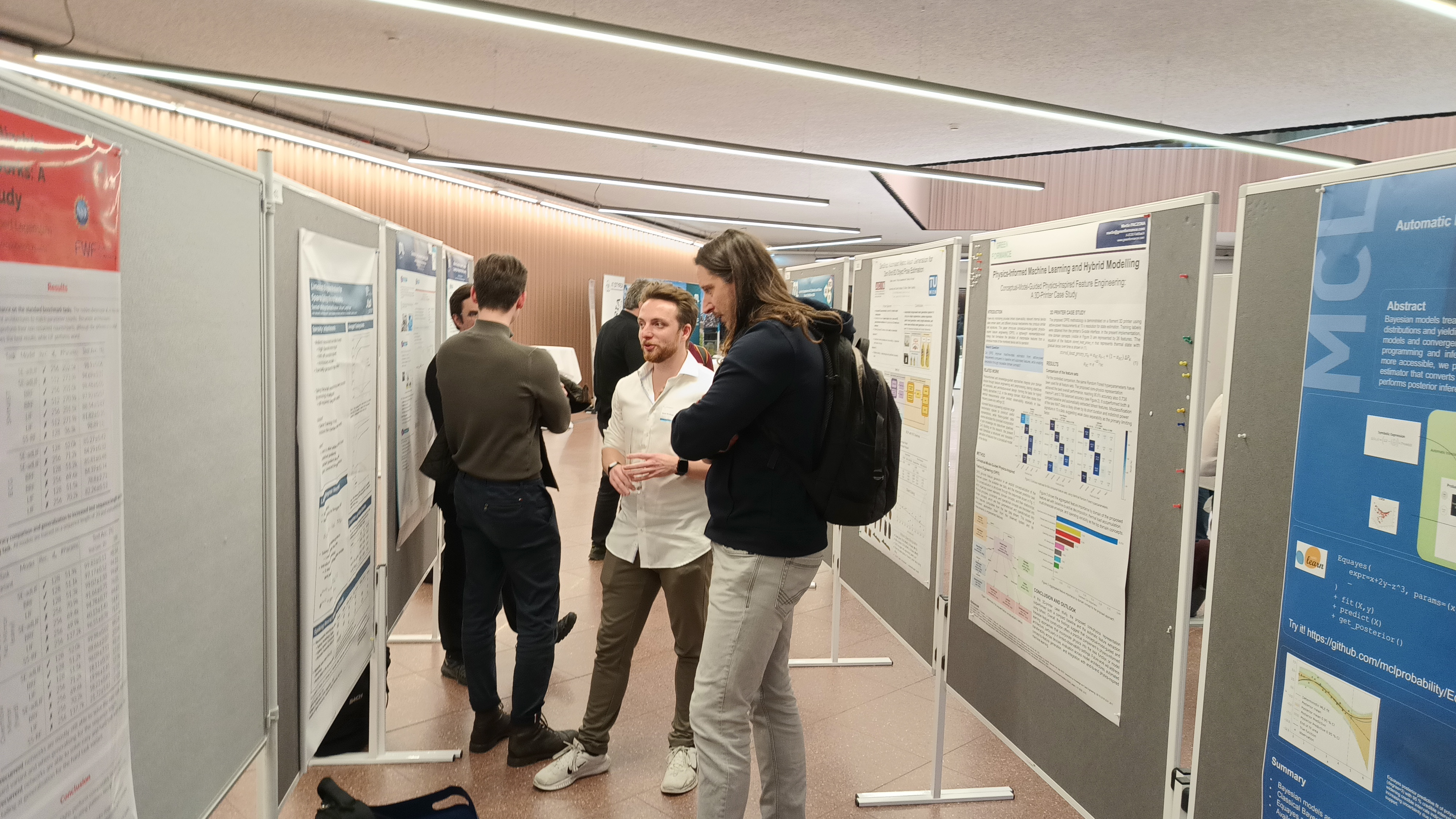
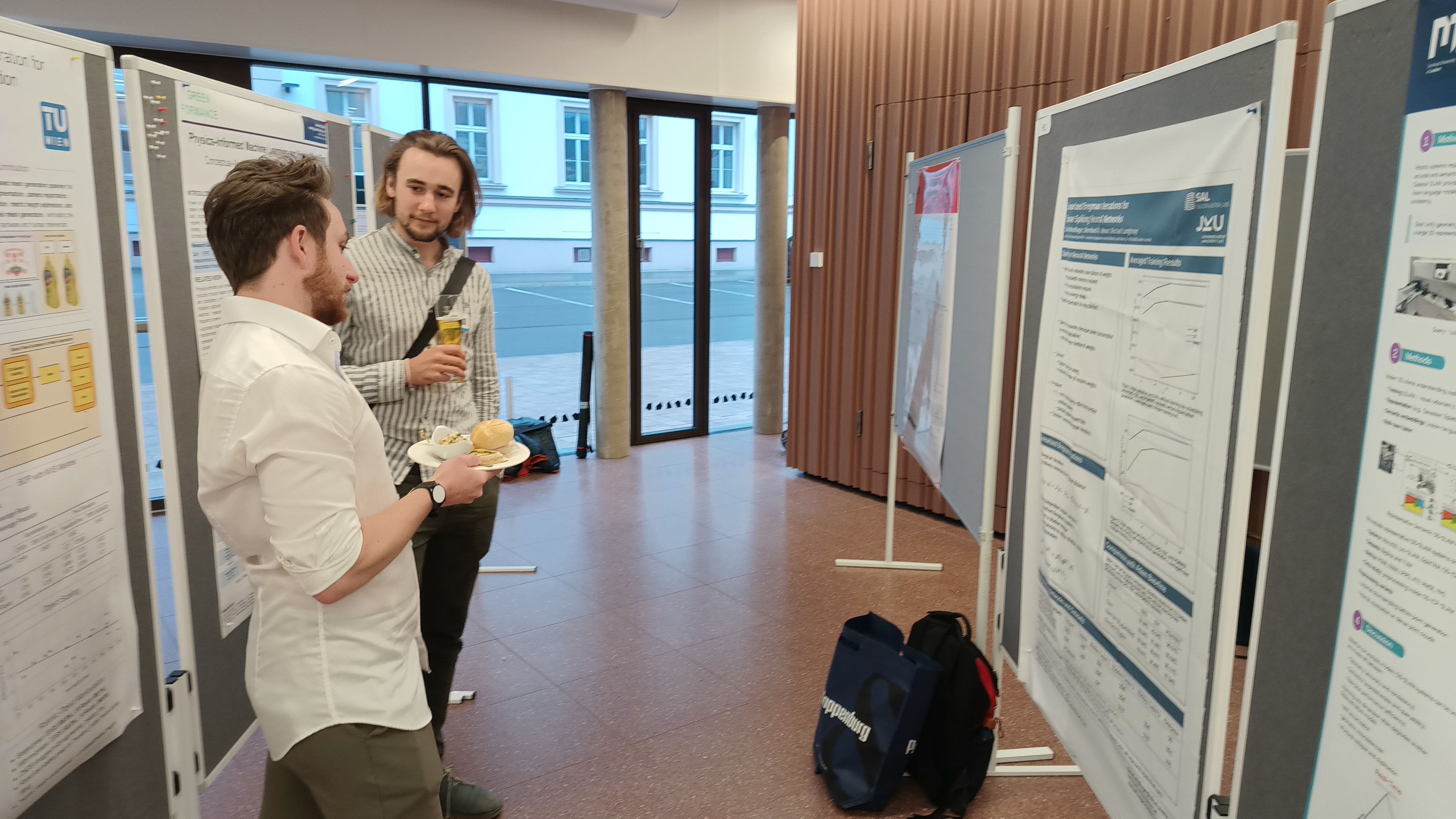
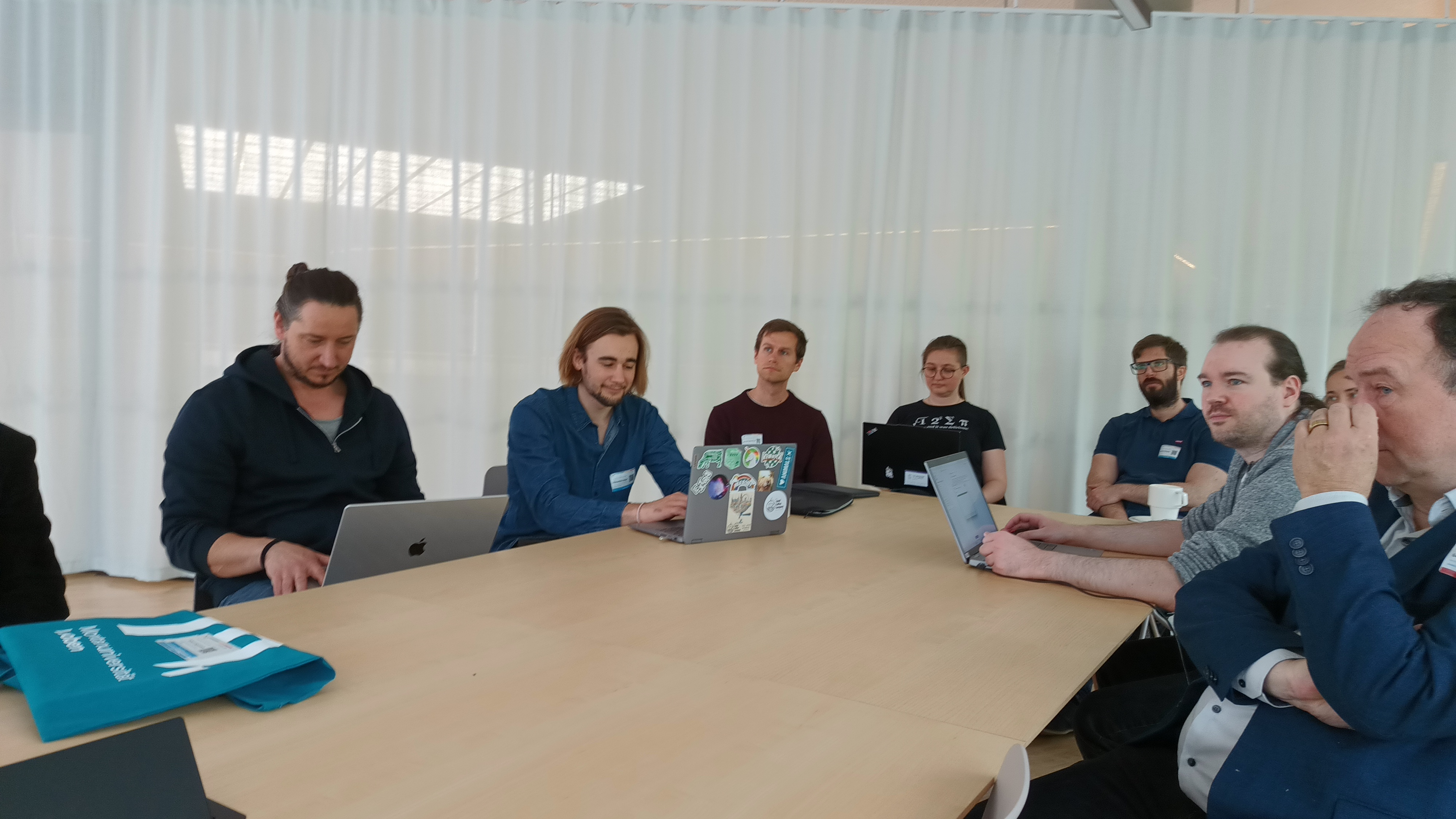
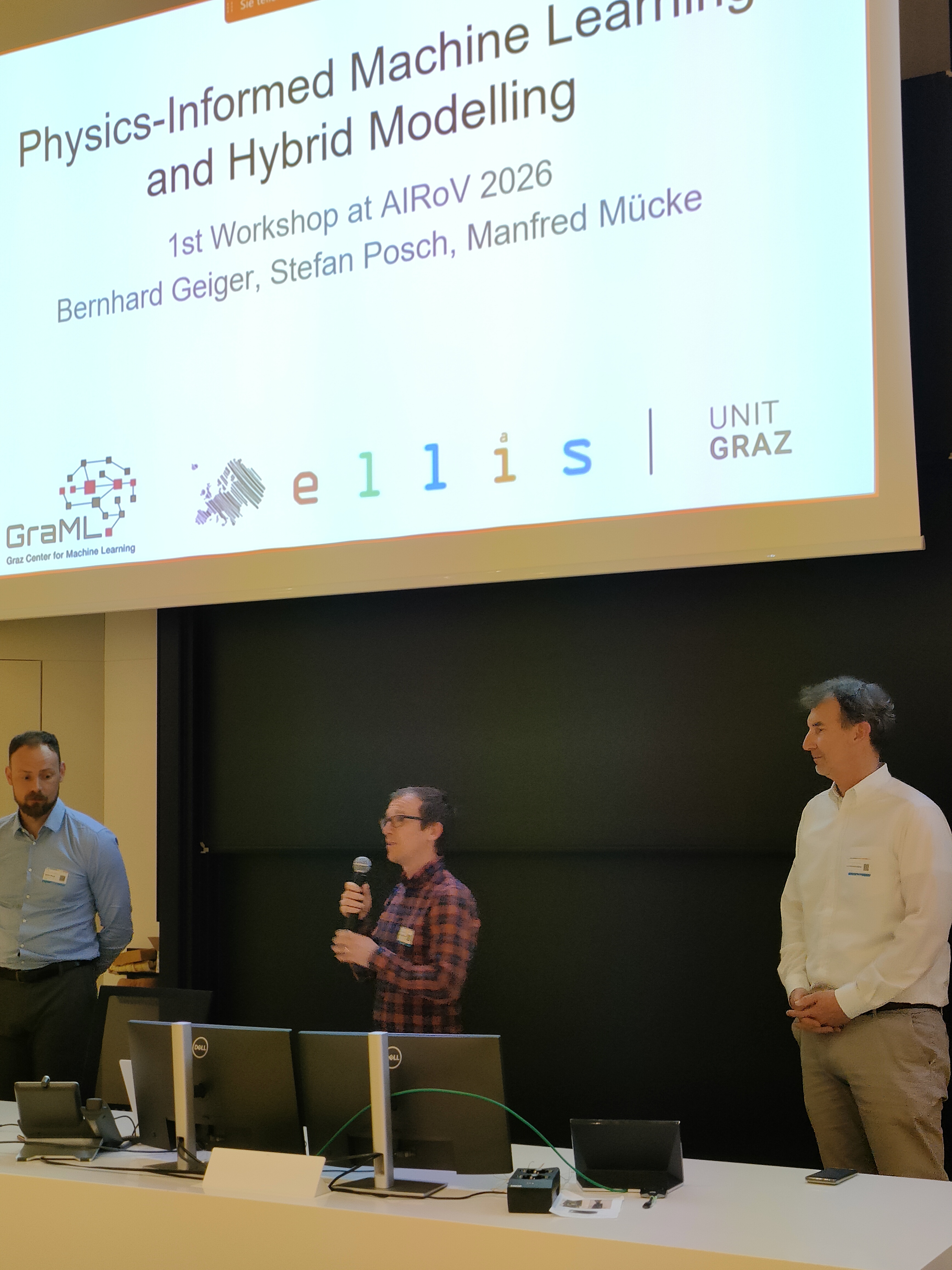
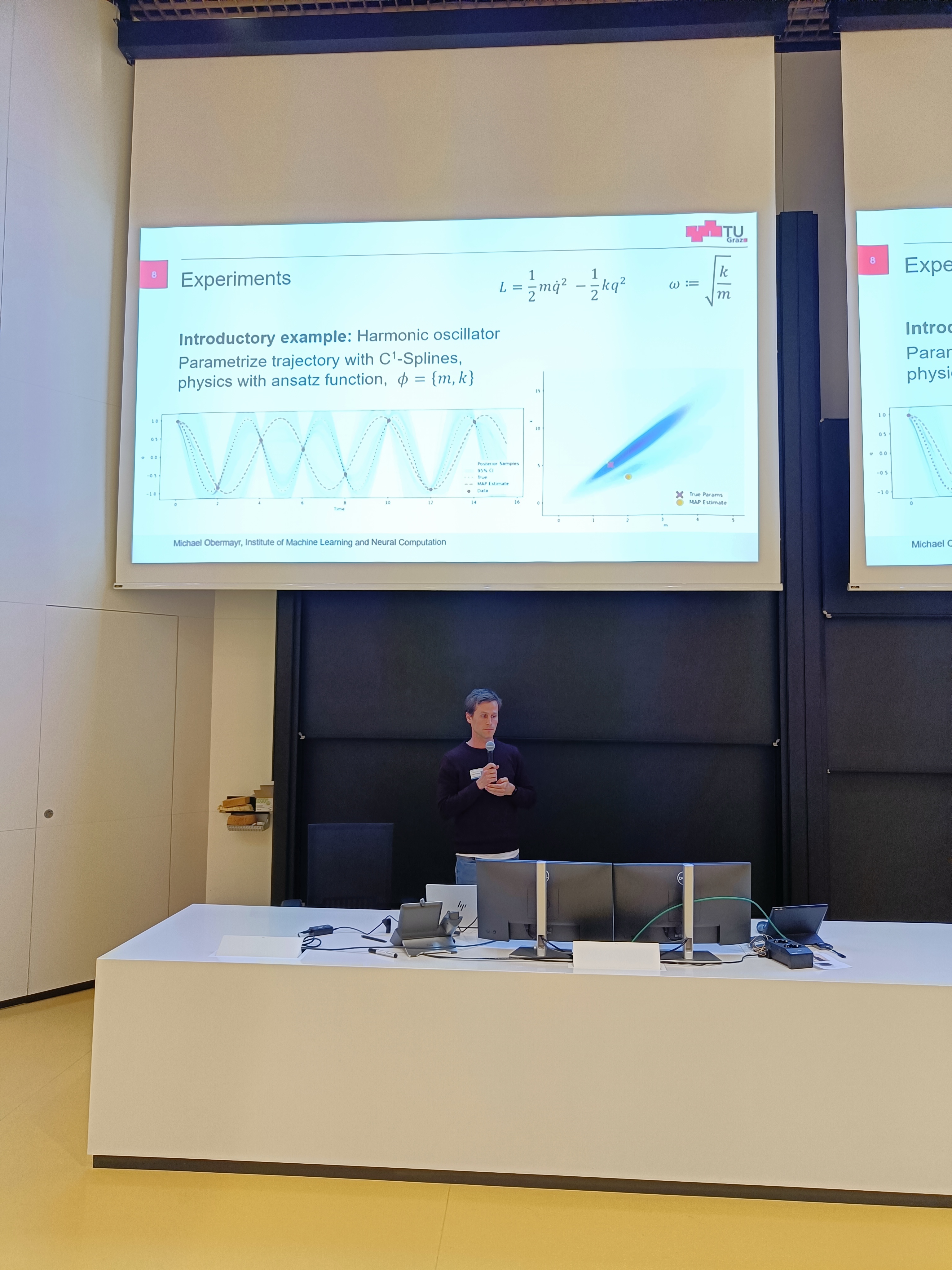
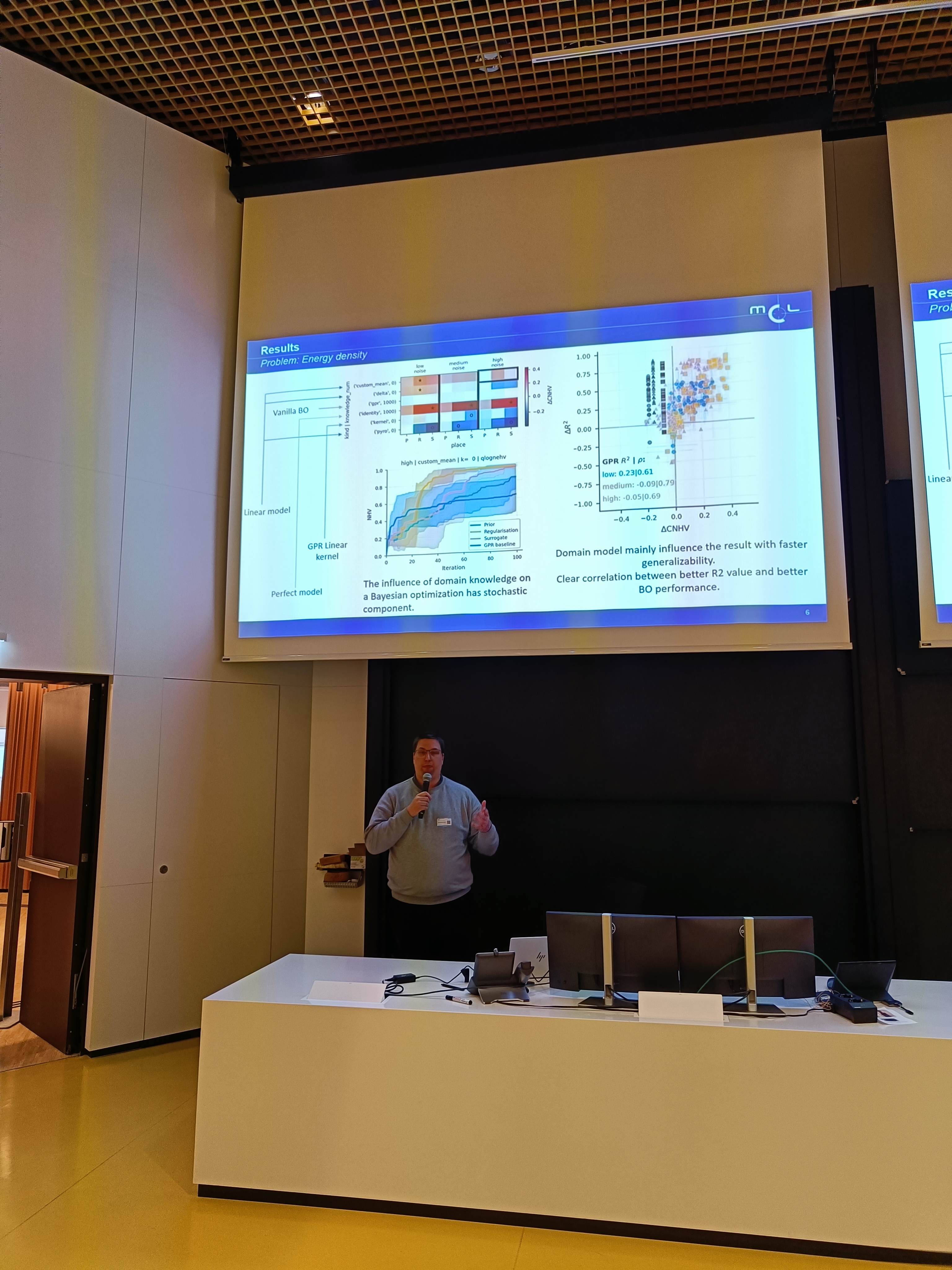
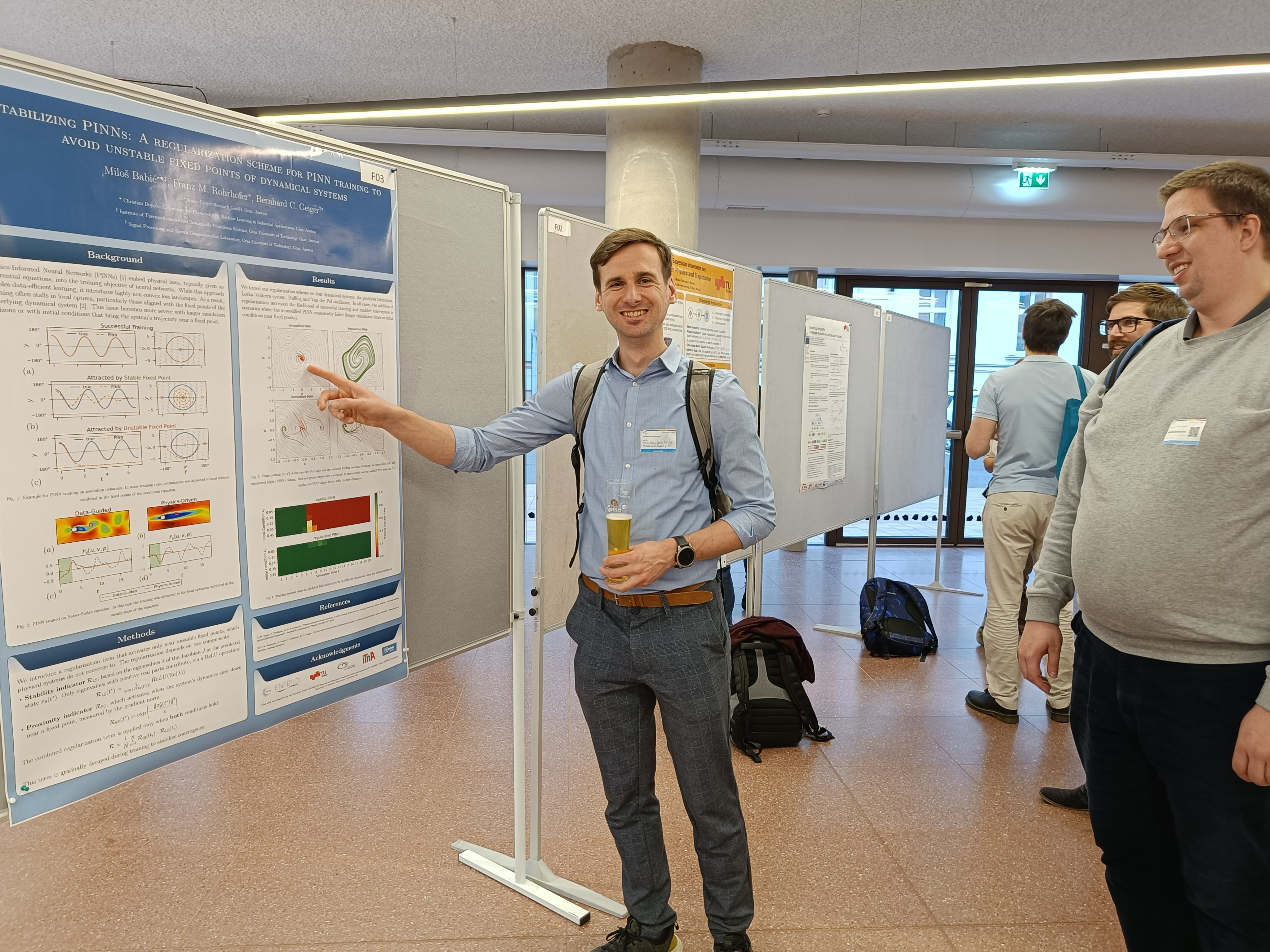
Physics-Informed Machine Learning and Hybrid Modelling
Organizers: Bernhard Geiger, Manfred Mücke, Stefan Posch
The objective of this workshop is to present, explore, and critically discuss recent advancements in the rapidly evolving field of physics-based machine learning (PIML) and hybrid modeling. This interdisciplinary domain merges traditional physics-driven numerical methods with modern machine learning techniques, aiming to improve model fidelity, reduce computational cost, and enhance generalizability across a wide range of scientific and engineering problems such as fluid dynamics, solid mechanics, communications, or computational medicine.
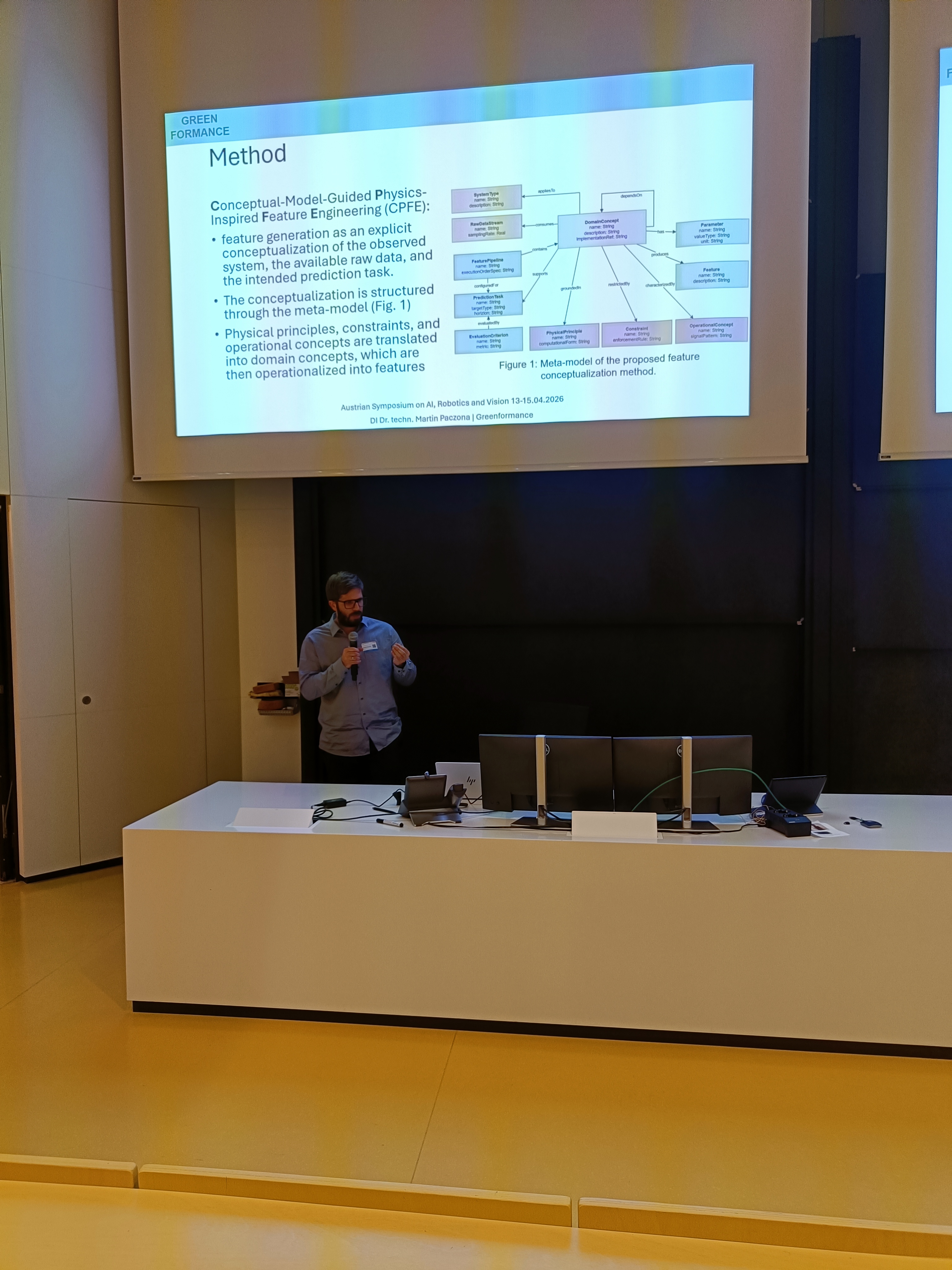
Hybrid modeling, in particular, leverages the strengths of both paradigms—combining first-principles models with machine learning—to overcome limitations inherent in purely data-driven or purely mechanistic approaches. A fundamental challenge in hybrid modeling is to understand the propagation of errors and uncertainties of the (data-driven or first principles) parts, and how this affects the qualitative and quantitative behavior of the hybrid model. Complementary to hybrid modeling, PIML utilizes first-principles knowledge in the creation of machine learning models, influencing data selection, model parameterization, or learning itself via regularization. The workshop shall serve as a platform to connect developments in fundamental theory, algorithmic innovation, and application-driven research.
An important aim of this workshop is to connect researchers in the field of PIML and hybrid modeling, and to thus establish a strong community in this field. Being the first workshop of its kind at AIRoV, we aim to identify the needs and common research interests of this community and to develop plans for joint collaborations during a discussion session.
Learn more about the workshop.